
- A standard Olympic bar weighs 20 kg, and many gyms also have 15 kg and lighter bars
- Always use collars, and set safety arms before squatting or benching
- Start with the empty bar or a lighter option and add weight gradually
- Learn the deadlift, squat, press and row one at a time, ideally with coaching
Why the barbell is worth learning
Barbells can look intimidating, especially sitting in a rack with a stack of plates nearby. But they are one of the most effective tools for getting stronger, because they let you load big movements heavily and in small steps. The barbell squat, deadlift, press and row have built strength for generations of people of every age.
You do not have to start with a barbell. Many coaches prefer beginners to learn the patterns with dumbbells and kettlebells first, through movements like the goblet squat and dumbbell Romanian deadlift. Once those feel comfortable, the barbell is the natural next step, and learning it well opens up years of steady progress.
Your first barbell session is mostly about getting familiar: how the bar feels in your hands, how to load it, how to set up a rack and how to move it with control. Heavy weights can wait.
Know your bar and plates
- Standard Olympic bar: 20 kg and about 2.2 m long, with thick sleeves on each end for the plates.
- Women's Olympic bar: usually 15 kg, slightly shorter, with a thinner grip that suits anyone with smaller hands.
- Technique and training bars: many gyms have lighter bars for learning. Check the markings or ask.
- Plates: bumper plates are rubber and stay the same diameter at lighter weights, so the bar sits at the same height from the floor. Iron plates get smaller as they get lighter.
- Collars: clips that lock plates in place. Use them every time, on both ends.
Bars are not always labelled, so if in doubt, ask. Knowing the true weight of the bar is the first step to recording your lifts accurately, and it saves the confusion of wondering why your numbers do not match last week.
Setting up the rack safely
Squat racks and rigs have J-hooks, where the bar rests, and safety arms or pins, which catch the bar if you cannot finish a rep. For squats, set the J-hooks at about mid-chest height, so you can lift the bar out with a small push rather than going up on tiptoe or half squatting. Set the safety arms a few centimetres below the bottom of your squat.
For the bench press, set the safety arms just below the height of your chest when you are lying on the bench, so the bar can rest on them if you get stuck. Test the height with an empty bar before adding weight. This step is not optional. It is what makes training on your own safe.
- Set the J-hooks and safety arms to the right heights for your lift.
- Load plates evenly, largest first, alternating sides.
- Fit collars on both ends.
- Do a warm-up set with the empty bar to check everything feels right.
- Unload evenly afterwards, one plate from each side at a time.
When you are done, strip the bar and return plates to their stands. Our gym etiquette guide covers the other unwritten rules around shared racks.
Which lifts to learn first
Learn one or two lifts at a time rather than everything at once. A sensible order for most beginners:
- Deadlift: often the easiest barbell lift to learn and load. Starting with the bar raised on blocks or plates makes the first sessions easier. See our deadlift guide.
- Romanian deadlift: teaches the hip hinge with lighter weights and builds the hamstrings and glutes.
- Back squat: the bar rests across your upper back. Learn it with an empty bar and the safety arms set. See our back squat guide.
- Overhead press: strict pressing from the shoulders. Humbling at first, but brilliant for upper body strength. See our overhead press guide.
- Bent-over row and bench press: add these once the others feel comfortable.
The more technical lifts, such as cleans and snatches, are best learned with a coach once you have a solid base of strength and confidence with the basics.
How heavy to start
Start with the empty bar, or a lighter technique bar if 20 kg is too much for a particular lift. There is no shame in that, and plenty of strong people began in exactly the same place. Do a few sets of 5 to 8 reps, focusing on control, position and making every rep look the same. If that feels easy, add a small amount of weight, perhaps 2.5 kg on each side.
Keep going until the reps feel moderately challenging, around 6 or 7 out of 10, and stop there for the day. Next session, start from that weight and add a little. Beginners can often keep adding weight for weeks or months with this simple approach.
Before the weights get heavier, learn to brace. Take a breath into your belly, tighten your midsection as if you were about to be poked in the stomach, and hold that tension through the rep. Our guide to bracing and breathing explains it step by step.
Coaching, failed reps and staying safe
Barbell lifts are learned fastest with someone watching. A coach can spot small issues, such as the bar drifting away from your legs in a deadlift or your heels lifting in a squat, before they become habits. Filming yourself from the side is a good second option.
Know how to fail a rep before you ever need to. In a squat, sit down under control and let the safety arms take the bar, then step out from under it. In a bench press, lower the bar to your chest and onto the safety arms, then slide out. Practise both once with an empty bar so they are not a surprise.
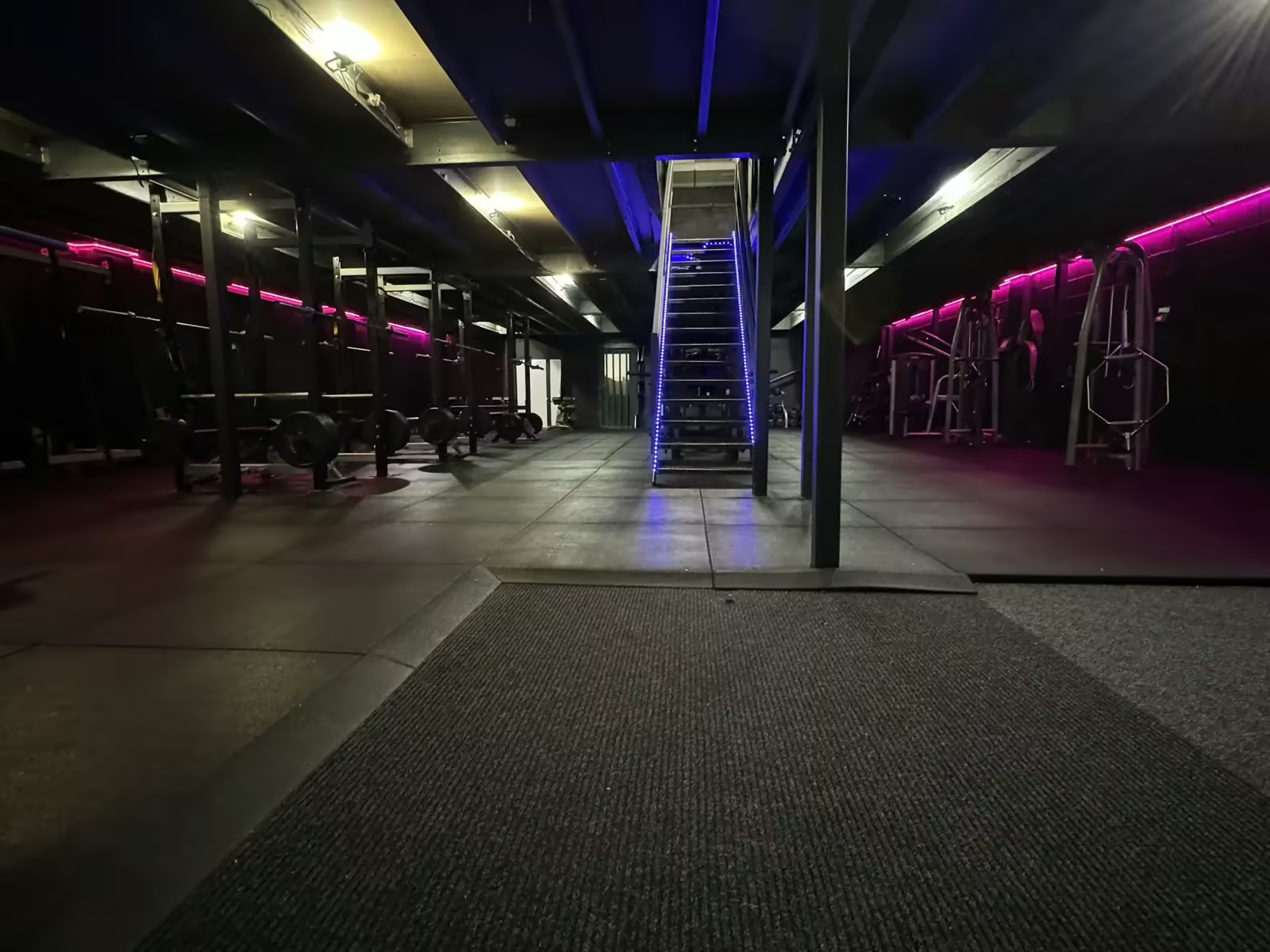
At Lycan Strength, the long rig has squat racks and barbells, and every class is scalable to the person, so a first barbell session can start from the empty bar with a coach alongside. The 7-day free trial is an easy way to try it.
Members' guide
Keep reading with your free week
The full guide is for members and people on a free trial. Claim 7 days free and it opens straight away on this device, along with every other guide.
Already a member? Log in to read it
Unlock the full guide
Seven days of classes, free. We will be in touch to book your first session.
Questions
How much does a gym barbell weigh?
A standard Olympic barbell weighs 20 kg. Women's bars are usually 15 kg, and many gyms have lighter technique bars. Ask staff if a bar is not marked.
Is the empty bar too light to be useful?
No. It is the perfect place to learn technique and warm up, and many beginners find the empty bar challenging on some lifts, such as the overhead press.
Do I really need collars on the bar?
Yes. Collars stop plates sliding off during a lift, which protects you and everyone around you. Use them every time.
Can I learn barbell lifts without a coach?
You can, but a few coached sessions make learning much faster and safer. Always set the safety arms if you train alone.
General guidance for healthy adults. If you have a medical condition, injury or are pregnant, check with a health professional before changing your training or diet.