
- Aim to maintain strength and fitness during Ramadan. Progress can wait until after Eid.
- Hard sessions usually go best after iftar, once you have eaten and can drink.
- Suhoor should include slow-release carbohydrate, protein and fluid.
- Spread water through the evening and night rather than drinking a lot at once.
- People with diabetes or other health conditions should speak to their GP before Ramadan.
What changes during Ramadan
During Ramadan, Muslims who are able to fast abstain from food and drink, including water, from dawn until sunset. The day usually starts with suhoor, a meal before dawn, and the fast is broken at sunset with iftar. Many people also attend Taraweeh prayers at night, and evenings are often spent with family and community.
That rhythm changes everything about training: when you have energy, when you can drink, and how much sleep you get. It is a month with spiritual priorities, and training should fit around it, not the other way round.
Because the Islamic calendar is lunar, Ramadan moves around 10 to 11 days earlier each year. In the next few years it falls in late winter and early spring in the UK, so fasts are much shorter than during the summer Ramadans of the late 2010s, when they could stretch to 18 hours or more in the north of England. Your local mosque's timetable gives exact times for Manchester.
Check your health first
Islam provides exemptions from fasting for people who are ill, travelling, pregnant, breastfeeding or menstruating, and for older people for whom fasting would be a hardship. Your imam or a scholar you trust can advise on your own situation.
From a medical point of view, speak to your GP, practice nurse or pharmacist before Ramadan if you:
- Have type 1 or type 2 diabetes, especially if you use insulin or tablets that can cause low blood sugar
- Have kidney disease, heart disease or high blood pressure
- Take regular medication that may need its timing or dose changed
- Are pregnant or breastfeeding and considering fasting
- Have a history of eating disorders
During training, stop and break your fast if you feel faint, confused, very dizzy, have chest pain or a racing heart, or show signs of low blood sugar. Islamic guidance allows a fast to be broken when continuing would harm your health. Chest pain or collapse needs a 999 call.
When to train
There are three common options, each with trade-offs. Many people use a mix across the week.
- In the hour or so before iftar. You can eat and drink soon after finishing. Best for light to moderate sessions such as technique work, mobility or easy strength. Avoid long, sweaty conditioning, because you cannot replace fluid until sunset.
- One to two hours after iftar. Break the fast with dates, water and something light, train, then have your main meal. This is usually the best slot for harder strength or conditioning work, because you are fuelled and can drink during the session.
- Late at night or before suhoor. Works for some people, but it eats into sleep, which is already short during Ramadan.
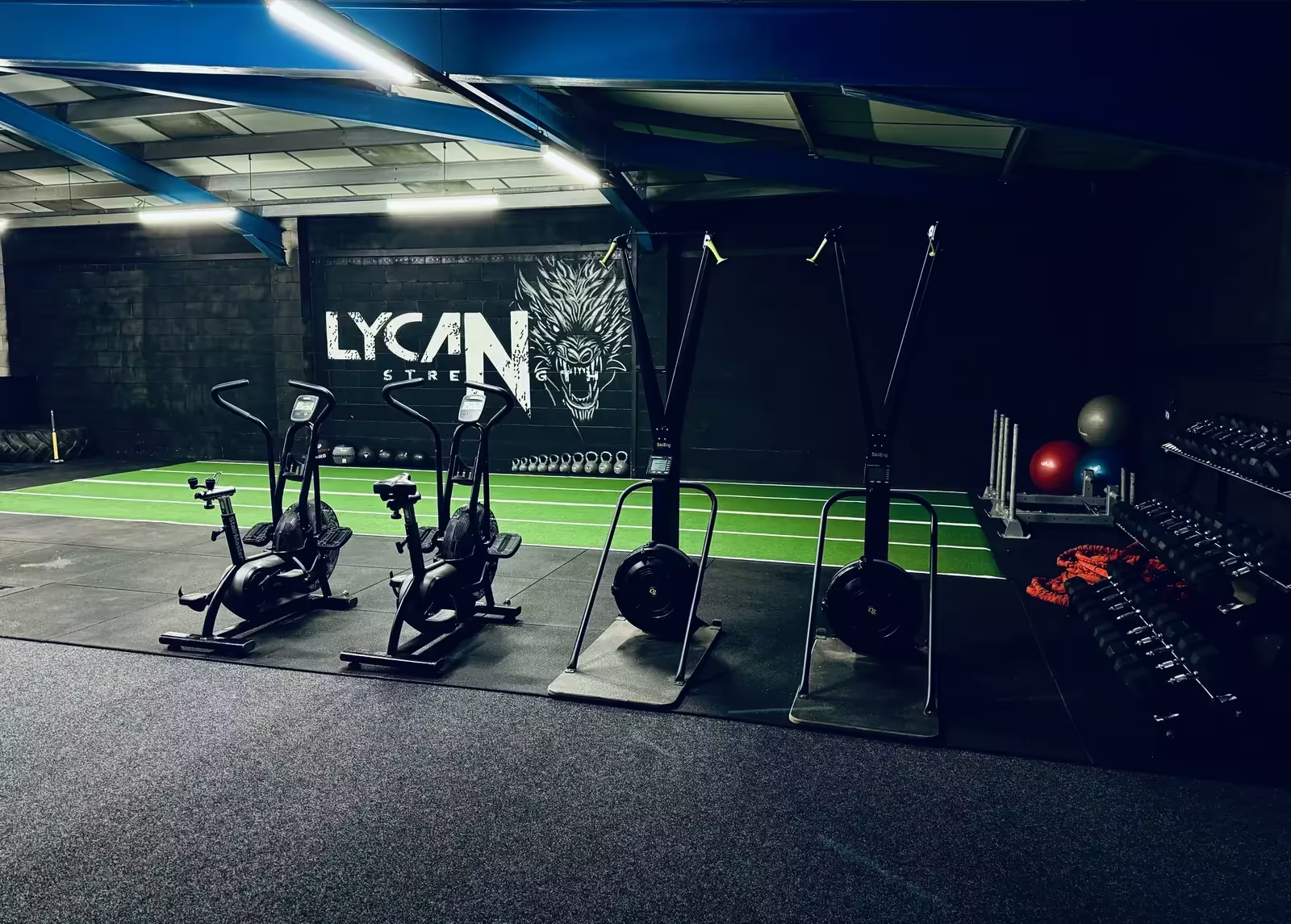
Depending on sunset times, evening classes such as the 6pm and 7pm sessions on the Lycan Strength timetable may fall just before or soon after iftar. Every class is scalable, so tell the coach you are fasting and they can adjust the intensity or volume for you.
Adjusting your training
Treat Ramadan a little like an extended lighter block. Keep lifting, because regular training holds on to strength and muscle, but lower the demands.
- Keep the main lifts but drop a set or two from each exercise
- Work a couple of reps further from failure than usual
- Swap long, hard conditioning for shorter intervals or easier steady work
- Leave personal bests and testing for after Eid
- Take an extra rest day if sleep has been poor
This is a normal and sensible approach, not a step backwards. Our guide to deload weeks explains why lighter periods help rather than hurt long-term progress.
What to eat at suhoor
Suhoor needs to carry you through the day, so it is worth getting up for, even if it is small. Build it around slower-digesting carbohydrate, protein and fluid.
- Carbohydrate: porridge oats, wholemeal bread, chapati, brown rice or muesli
- Protein: eggs, Greek yoghurt, milk, cheese, beans, lentils or leftover chicken
- Fluid and water-rich foods: water, milk, fruit such as melon and oranges, cucumber and tomato
- Go easy on: very salty foods such as pickles, salted crisps and processed meats, which increase thirst during the day
Porridge made with milk and topped with fruit and a spoon of yoghurt, or eggs with wholemeal toast and a glass of milk, are simple options that give steady energy and around 25 to 30 g of protein.
Iftar, the evening and fluids
Many people open the fast with dates and water, following the practice of the Prophet Muhammad (peace be upon him). Dates are also a practical choice: they provide quick carbohydrate after a day without food. A bowl of soup such as lentil soup is a good next step before the main meal.
Iftar is often a shared family or community meal, and fried favourites such as samosas and pakoras are part of that. There is no need to cut them out. Enjoy some, then make sure the main meal includes protein, carbohydrate and vegetables. Rice or chapati with a meat, chicken, fish or lentil curry and a salad is ideal.
To protect muscle, aim for three protein feeds between sunset and dawn: iftar, a snack or meal after training or Taraweeh, and suhoor. Together these should reach roughly the daily targets in how much protein you need.
For fluids, sip steadily through the evening and night rather than drinking a large amount at once, which mostly passes straight through. A glass of water every hour or so from iftar to bedtime, plus drinks at suhoor, works for most people. Our guide to hydration for training has more detail, and good sleep for recovery matters just as much this month, so a short daytime nap can help if your schedule allows.
Members' guide
Keep reading with your free week
The full guide is for members and people on a free trial. Claim 7 days free and it opens straight away on this device, along with every other guide.
Already a member? Log in to read it
Unlock the full guide
Seven days of classes, free. We will be in touch to book your first session.
Questions
Is it safe to exercise while fasting in Ramadan?
For most healthy adults, light to moderate exercise is safe, and harder sessions are best done after iftar. Anyone with a medical condition should get advice from their GP first, and stop if they feel unwell.
Will I lose muscle during Ramadan?
Not if you keep lifting and eat enough protein between iftar and suhoor. Most people maintain their strength well over the month.
Can I take creatine or protein shakes during Ramadan?
Yes, outside fasting hours. A shake after an evening session or at suhoor can help you reach your protein target.
How do I get back to normal training after Ramadan?
Ease back in over a week or two after Eid, increasing volume gradually as your sleep and eating return to their usual pattern.
General guidance for healthy adults. If you have a medical condition, injury or are pregnant, check with a health professional before changing your training or diet.