
- Active recovery should feel easy: full sentences, nasal breathing, around 2 or 3 out of 10 effort.
- Walking, easy cycling, swimming and relaxed rowing all work. Pick what you will actually do.
- It eases stiffness and adds aerobic base, but it will not magically speed up repair.
- The most common mistake is turning a recovery session into another workout.
What active recovery means
The phrase gets used in two ways. The first is an easy day between harder sessions: a walk, a gentle bike ride or a swim instead of lying on the sofa. The second is light movement inside or straight after a hard session, such as spinning your legs slowly on a bike between intervals or for five minutes after a finisher.
A third, looser use of the term covers easy mobility work, a light technique session with an empty bar, or a relaxed swim with friends. The common thread is low effort. If you would describe the session afterwards as a workout, it was not active recovery.
Both have the same idea behind them. Moving gently keeps blood flowing, eases stiffness and helps you feel ready for the next hard session. Neither is meant to add training stress. The moment active recovery leaves you tired, it has stopped being recovery.
How easy is easy?
Easier than most people think. The simplest guide is the talk test: you should be able to speak in full sentences without gasping. If you can breathe through your nose the whole time, you are almost certainly in the right place.
- Effort of around 2 or 3 on a 10-point scale
- Breathing only slightly above resting
- You finish feeling better than when you started, not tired
- If you wear a heart rate monitor, a rough guide is somewhere below about 65 to 70% of your maximum, but the talk test is more reliable than an estimated maximum
This is harder to stick to than it sounds for people who like training. It is tempting to push the pace on a recovery ride or throw in a few hard efforts on the rower. Resist it. A recovery session that turns into a moderate workout just adds fatigue while giving you less fitness than a proper session would.
Good options, and how long
The best choice is whatever you will do and enjoy. Low-impact options suit most people because they do not add the pounding that running does.
- Walking: 30 to 60 minutes, ideally outdoors. Hard to beat and easy to fit around family or work.
- Easy cycling: 20 to 45 minutes on a road bike, a turbo trainer or a gym bike at a light resistance.
- Swimming: relaxed lengths of any stroke, 20 to 30 minutes. Good when your legs are very sore, and useful if you are nursing a lower-limb niggle, because the water takes most of your body weight.
- Rowing or the air bike: 10 to 20 minutes at a conversational pace. Our air bike guide explains how to keep it steady.
- Mobility flow: 10 to 15 minutes of gentle movement through the hips, spine and shoulders.
Walking deserves special mention. Daily steps count towards recovery, general health and energy expenditure, which is why our guide to steps and NEAT treats them as part of the plan rather than an extra.
Does it actually speed up recovery?
Partly, and it is worth being honest about which part. Light activity straight after very hard efforts does clear lactate from the blood faster than sitting still. That matters if you have another hard effort coming soon, such as a second heat or the next round of intervals. It matters much less for how you feel the next day.
For next-day soreness, the research shows modest effects at best. Most people feel less stiff for a few hours after a gentle walk or ride, but the underlying repair still takes the time it takes.
The bigger benefits are indirect. Easy aerobic work builds your base fitness without adding much fatigue, lifts mood, helps sleep, and keeps the habit of moving on days off. For hybrid and HYROX athletes, that low-intensity base supports everything else. Our guide to recovery after a HYROX race shows how that looks in the days after an event.
Fitting it into your week
You do not need a detailed plan. Slot easy movement into the gaps between harder sessions and keep it consistent.
- After an intense conditioning class, spend five minutes easy on a bike or walking before you head home.
- On the day after your hardest session, swap a planned rest day for a 30 to 45 minute walk if you feel stiff.
- Use weekends for longer, easy efforts: a family walk, a slow bike ride along the canal, a swim.
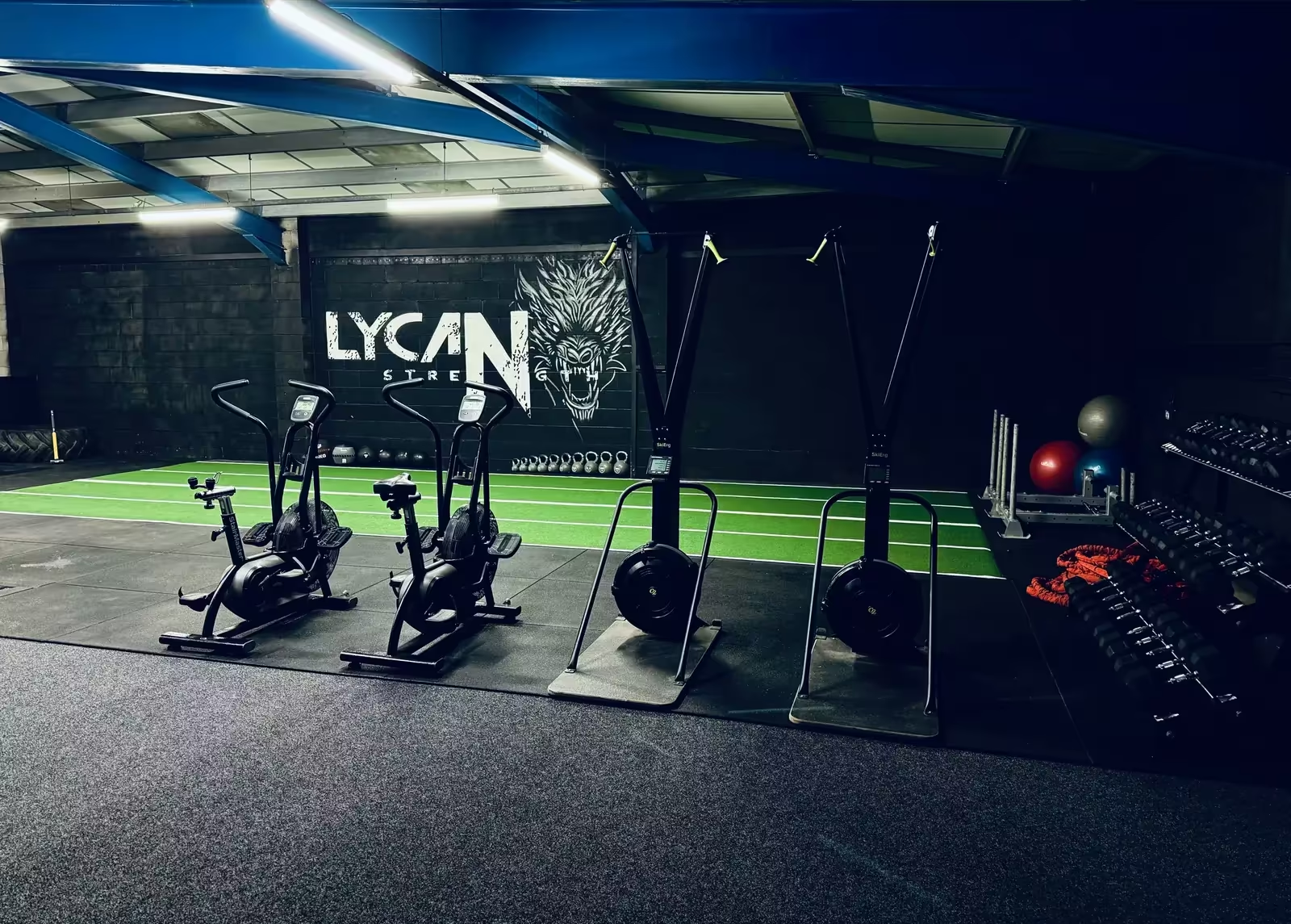
At Lycan Strength there are no classes on Saturday, which makes it a natural day for a long walk or an easy ride, and Sunday's 9:30am Mobility class keeps the weekend gentle. The gym's air bikes are also well suited to a short, gentle spin after class.
Within a session, active recovery simply means keeping moving between hard efforts. Walk around between rounds on the sled rather than lying on the floor, or pedal slowly on a bike between intervals. Staying upright and moving helps your breathing settle, keeps you warm and usually makes the next effort feel a little better.
When full rest is the better choice
Active recovery is a good default, not a rule. Some days, doing nothing is the smarter call.
- You have a fever, chest symptoms or aching all over. See our guide on training when you are ill.
- You are running on very little sleep and everything feels heavy.
- An injury is flaring up and movement makes it worse rather than better.
- You have had several hard weeks in a row and feel flat and unmotivated.
In those situations, rest, eat well and sleep. You will not lose fitness in a day or two, and you will come back to training in a better state. Our guide to rest days covers how many most people need.
Members' guide
Keep reading with your free week
The full guide is for members and people on a free trial. Claim 7 days free and it opens straight away on this device, along with every other guide.
Already a member? Log in to read it
Unlock the full guide
Seven days of classes, free. We will be in touch to book your first session.
Questions
Is walking good active recovery?
Yes. A 30 to 60 minute walk is one of the best forms of active recovery because it is low impact, easy to control and easy to fit into a normal day.
How long should an active recovery session be?
Usually 20 to 45 minutes. Longer walks are fine as long as you finish feeling fresher than when you started.
Is active recovery better than complete rest?
For most healthy people on most rest days, light movement helps you feel less stiff and adds useful fitness. When you are ill, injured or exhausted, complete rest is the better choice.
Can I do active recovery every day?
Yes, if it stays genuinely easy. Daily walking, for example, is good for recovery and health. Just make sure easy days do not creep up into moderate ones.
General guidance for healthy adults. If you have a medical condition, injury or are pregnant, check with a health professional before changing your training or diet.