
- The goal of session one is to leave wanting more, not to prove anything
- Arrive 10 to 15 minutes early and mention any injuries or health conditions
- Work at around 6 out of 10 effort: technique first, heavier weights later
- Some muscle soreness 24 to 72 hours later is normal and fades on its own
Before you go: the night before and the hour before
Most of the nerves around a first session come from not knowing what will happen, so take the guesswork out of the practical bits first. Lay out comfortable kit the night before, fill a water bottle, and check how you are getting there and where to park or which bus stop is closest.
Eat something light one to three hours beforehand. Toast with peanut butter, a banana and a yoghurt, or a normal lunch if you are training after work, is plenty. Some people train happily on an empty stomach, but your first session is not the moment to discover you are one of the ones who feels dizzy.
- A water bottle (around 500 ml is enough for most hour-long sessions)
- Trainers with a flat, stable sole rather than very soft running shoes
- A small towel
- Any medication you might need, such as an inhaler
- A rough idea of your goals, even if it is just 'feel fitter and stronger'
If you are unsure what counts as suitable clothing, our guide to what to wear to the gym covers it properly. The short version: anything you can squat, bend and lift your arms overhead in without constantly adjusting it.
The first ten minutes: arriving and the questions you will be asked
Aim to arrive 10 to 15 minutes early. That gives you time to find the changing area, use the toilet and meet whoever is looking after you without feeling rushed. In a good gym, a coach or member of staff will introduce themselves and ask a few questions before you touch any equipment.
Expect questions about previous training, current injuries, medical conditions, medication and what you want to get out of it. Be honest. A knee that sometimes clicks, a back that aches after long drives, high blood pressure or a pregnancy all change what a sensible first session looks like, and a coach can only adjust for what they know about.
Some gyms run a more formal fitness assessment. That often covers how you move through a squat, a hinge and a push, a simple check of balance or mobility, and a chat about your week. It is not a pass or fail exam. It gives you a starting point, so your progress is measured against you rather than against the person on the next rack.
The warm-up: more useful than it looks
Almost every well-run session starts with 5 to 15 minutes of warming up. Typically that means something to raise your heart rate gently, such as a rower, bike or brisk walk, followed by movements that take your joints through the range they are about to use: squats to a box, hip hinges, arm circles, lunges and perhaps some light band work.
For a beginner, the warm-up is also a hidden lesson. It is where you practise the shapes you will load later, at a pace slow enough to think about them. Treat it as part of the session rather than something to rush. If you want the reasoning behind it, see our guide to warm-ups and cool-downs.
The main part: learning movements, not chasing a sweat
The heart of a first session is usually a handful of basic movement patterns: a squat, a hinge (bending at the hips, as in a deadlift), a push, a pull and possibly a carry. You might use a kettlebell, dumbbells, a box, a band or just your body weight. A barbell is fine if the coach thinks you are ready, but there is no rush.
Effort should be moderate. On a scale of 1 to 10, where 10 is the hardest thing you could possibly do, aim for about 6. You should be breathing harder and feeling the muscles working, but still able to talk in short sentences and keep your technique tidy. If the weight is changing how you move, it is too heavy for now.
Expect to be coached. Good cues are short and specific: push the floor away, chest up, slow on the way down. If a cue does not make sense to you, say so. Coaches have several ways of explaining the same idea and would much rather try another than watch you guess.
Stop and tell someone straight away if you feel any of these:
- Chest pain, tightness or pressure
- Dizziness, faintness or blurred vision
- Sharp or stabbing pain in a joint, rather than the dull burn of a working muscle
- Breathlessness that does not settle after a minute or two of rest
Finishing up and the next 72 hours
Most sessions end with a short cool-down: easy movement to bring your breathing back down and perhaps a few stretches. Use the time to ask questions. Which exercises should you practise? How often should you come in? What weight should you start with next time? Jot the answers in your phone before you leave.
Over the next day or two you will probably feel some stiffness, most often in the thighs, glutes and the backs of the arms. This delayed onset muscle soreness usually peaks 24 to 72 hours after a new type of exercise and eases on its own. Gentle walking helps more than lying still. Our guide on being sore after your first workout explains what is normal and what is not.
Then book the second session before momentum fades. The second visit is where things start to feel familiar: you know where the water is, you recognise a face or two, and the exercises make more sense the second time round.
If you are nervous, you are in good company
Nearly everyone feels self-conscious on day one, including people who now train five days a week. The people around you are far more focused on their own sets than on you. If the nerves feel bigger than that, our guide to gym anxiety has practical ways to make the first few weeks easier.
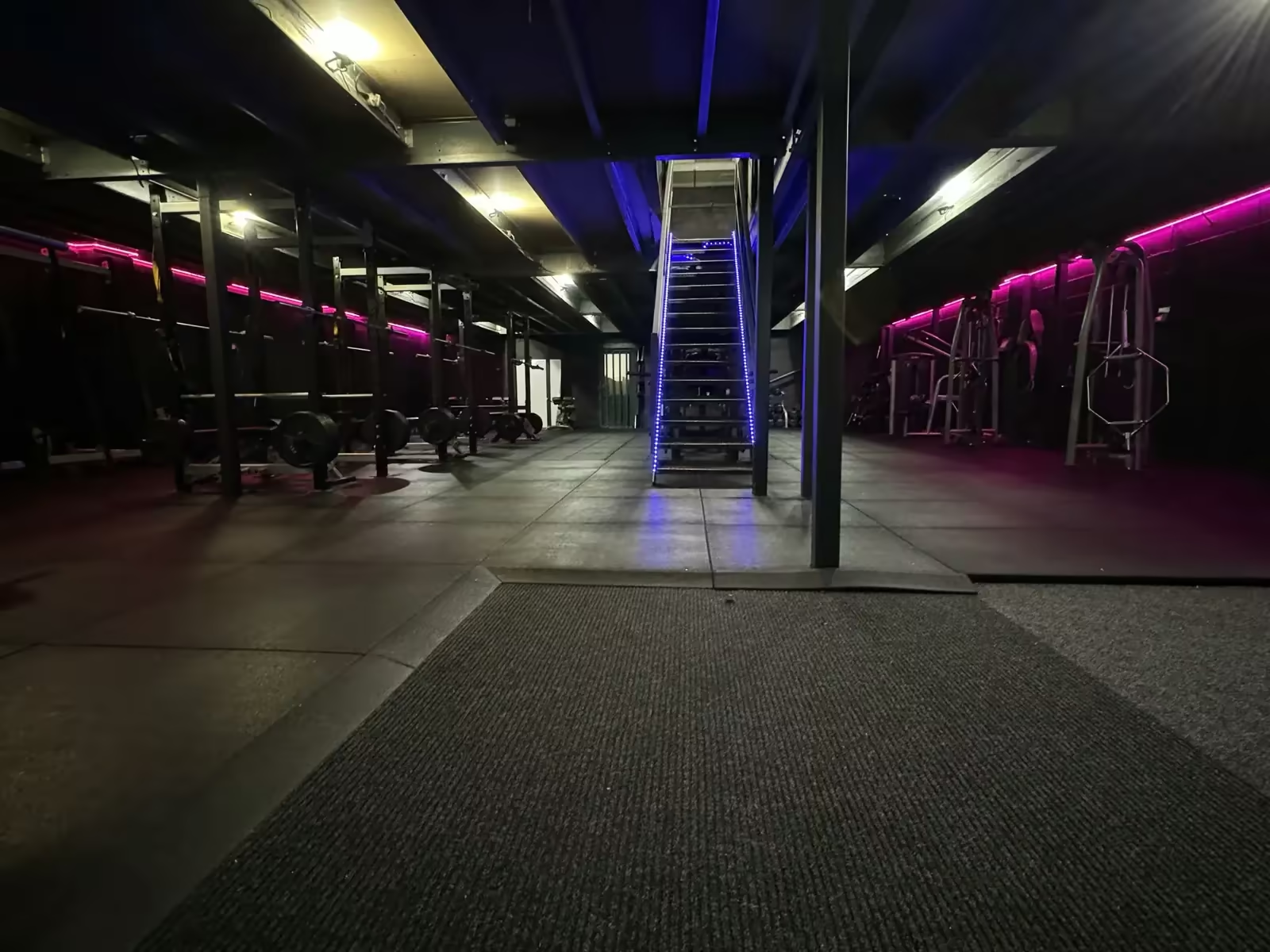
At Lycan Strength, the 7-day free trial includes a complimentary fitness assessment, unlimited class access and use of the full gym facilities with no credit card required, so your first session can be one of several rather than a single big decision.
Members' guide
Keep reading with your free week
The full guide is for members and people on a free trial. Claim 7 days free and it opens straight away on this device, along with every other guide.
Already a member? Log in to read it
Unlock the full guide
Seven days of classes, free. We will be in touch to book your first session.
Questions
How long should my first gym session be?
Around 45 to 60 minutes including the warm-up is plenty. Quality matters more than length, and it is better to finish feeling you had more to give.
Should I do cardio or weights on my first day?
A bit of both is ideal. A short cardio warm-up followed by simple strength movements gives you a feel for each without overdoing either.
What if I cannot do an exercise?
That is normal and expected. Almost every movement has an easier version, such as pushing against a bench instead of the floor, and a coach should offer one straight away.
Is it OK to go to the gym on my own the first time?
Yes. If you are nervous, choose a coached class or a booked induction so there is someone whose job is to show you around.
General guidance for healthy adults. If you have a medical condition, injury or are pregnant, check with a health professional before changing your training or diet.