- Running, the biggest part of the race, needs nothing more than shoes.
- Lunges, burpee broad jumps and carries can all be trained with minimal kit.
- The sleds, SkiErg, rower and race-load practice are hard to replicate at home.
- A mix of two gym sessions and two home or outdoor sessions works well for many people.
- Coaching and training with others are benefits a home set-up cannot match.
The short answer
If you are short on time or money, you can train for HYROX largely from home and make real progress. The running, which makes up a large share of race time, can be done anywhere. Many of the stations can be trained with a kettlebell, a sandbag or even a heavy rucksack.
But some parts of HYROX are genuinely hard to replicate without equipment. The sled push and pull in particular are unlike anything you can do at home, and they are where under-prepared athletes lose the most time. The SkiErg and rower also reward practice on the actual machines.
So the honest answer for most people is a mix: do what you can at home, and use a gym for the things only a gym can provide.
What you can train well at home and outdoors
- Running: easy runs, intervals and long runs need nothing but shoes and a route.
- Burpee broad jumps: a park, a garden or a quiet stretch of pavement is all you need. The burpee broad jump guide covers the standard.
- Lunges: walking lunges with a loaded rucksack or a home sandbag train the pattern and the endurance.
- Carries: a pair of kettlebells, or even filled water containers, train grip and posture.
- Bodyweight strength: push-ups, split squats, step-ups and core work.
- Kettlebell work: swings, goblet squats and presses, as explained in kettlebell training basics.
A simple home kit of one or two kettlebells, a sandbag you can fill yourself and a rucksack covers a lot. Add a pull-up bar if you have somewhere safe to fit one.
What is hard to replicate
Some stations do not have good home equivalents, and it is worth being realistic about them:
- Sled push and pull: the combination of load, friction and body position is unique. Heavy resisted walks and hill sprints help your legs, but they are not the same skill. See the sled push exercise guide to understand why.
- SkiErg and rower: band pulls and kettlebell swings train some of the same muscles, but not the pacing, technique or feel of the machines.
- Wall balls: thrusters with a kettlebell or dumbbell train the pattern, but not the throw, the catch or the target.
- Race-load strength: heavy squats and deadlifts need a barbell and a rack to progress safely.
If you train mostly at home, prioritise getting to a gym for these, even if it is just once a week.
The sleds deserve special mention. Plenty of fit people who trained entirely at home arrive at their first race and find the sled push far harder than anything they expected. Even three or four sessions on a real sled before race day make a big difference, because you learn the body position, the footwork and how it feels to keep a heavy sled moving.
Smart substitutes when you are stuck at home
When you cannot get to a gym, these swaps keep the training effect as close as possible:
- Instead of sled push: hill sprints of 15 to 20 seconds, or heavy rucksack walks up a steep hill.
- Instead of sled pull: heavy rows with a kettlebell, and towel or band pulls for grip.
- Instead of SkiErg: band straight-arm pulldowns combined with kettlebell swings.
- Instead of rowing: swings and a steady run or cycle for the engine.
- Instead of wall balls: kettlebell or sandbag thrusters, sets of 15 to 20.
A combined training week
Here is a layout that works for many people juggling work and family:
- Gym session one: strength and heavy stations, such as squats, sled push and pull, and carries.
- Home or outdoor: easy run of 30 to 45 minutes.
- Gym session two: engine and stations, such as SkiErg, rowing and wall balls paired with runs.
- Home or outdoor: intervals or a compromised run with lunges or burpee broad jumps in a park.
- Optional: a second easy run or a short home kettlebell session.
This keeps the gym for the parts that genuinely need it and lets you fit the rest around your life.
In the final month before a race, try to shift the balance towards the gym if you can. That is when race-load stations, full-length sled work and simulations matter most, and they are the hardest things to do at home.
Pros and cons of each
Home training wins on convenience and cost. There is no travel, no timetable and no membership. For busy parents or shift workers, that can be the difference between training and not training.
A gym wins on equipment, coaching and people. A coach can spot technique problems you cannot see, judge your standards honestly and adjust your training when you are tired or sore. Training alongside others who are preparing for the same race makes hard sessions feel easier and keeps you turning up. And some kit, like a proper sled lane, you simply cannot have at home.
There is also the question of standards. At home, nobody tells you your wall ball squats are shallow or your lunges are missing the knee touch. In a coached session, someone will, and that feedback saves you from no-reps on race day.
Choosing a gym for HYROX training
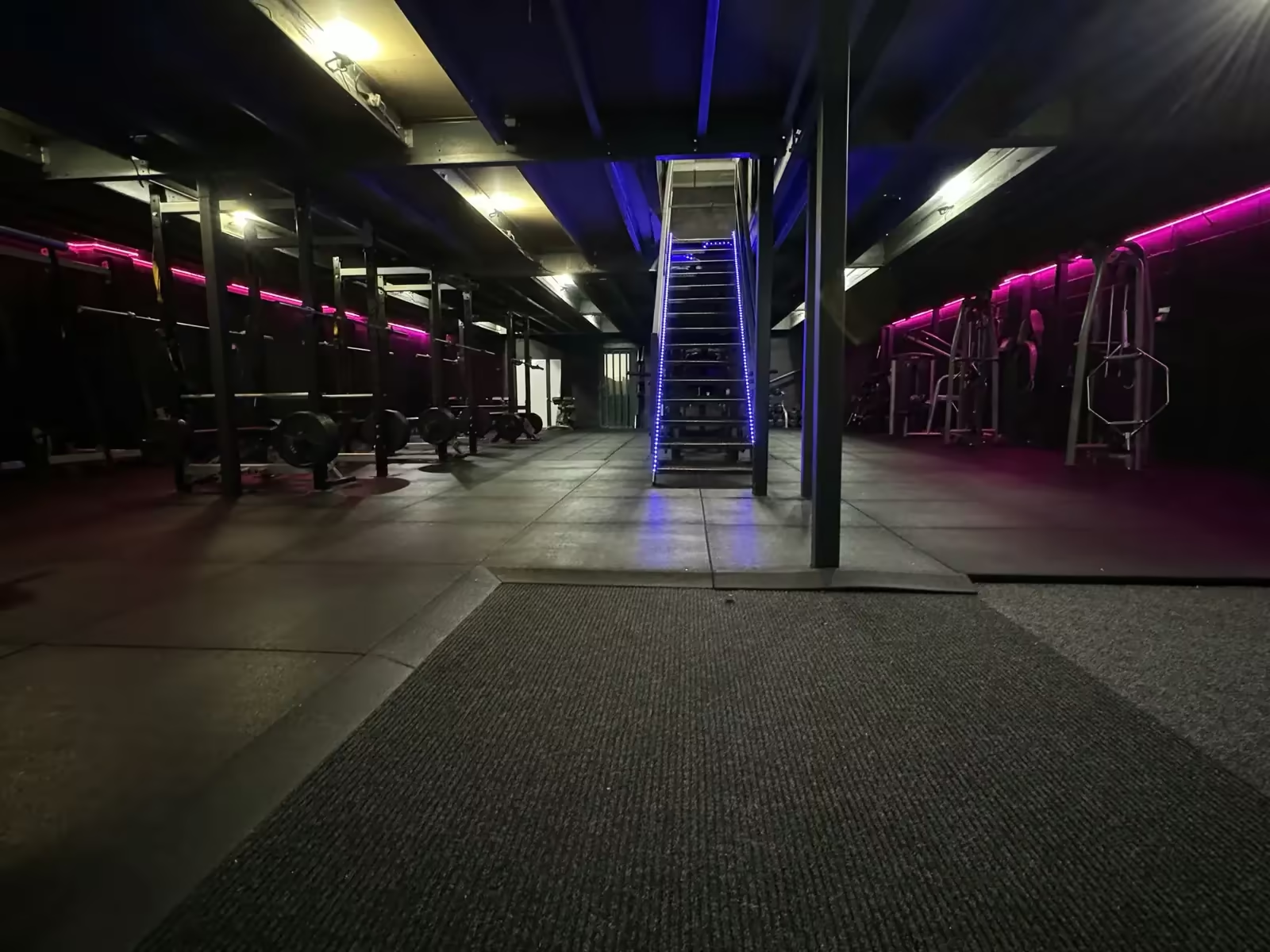
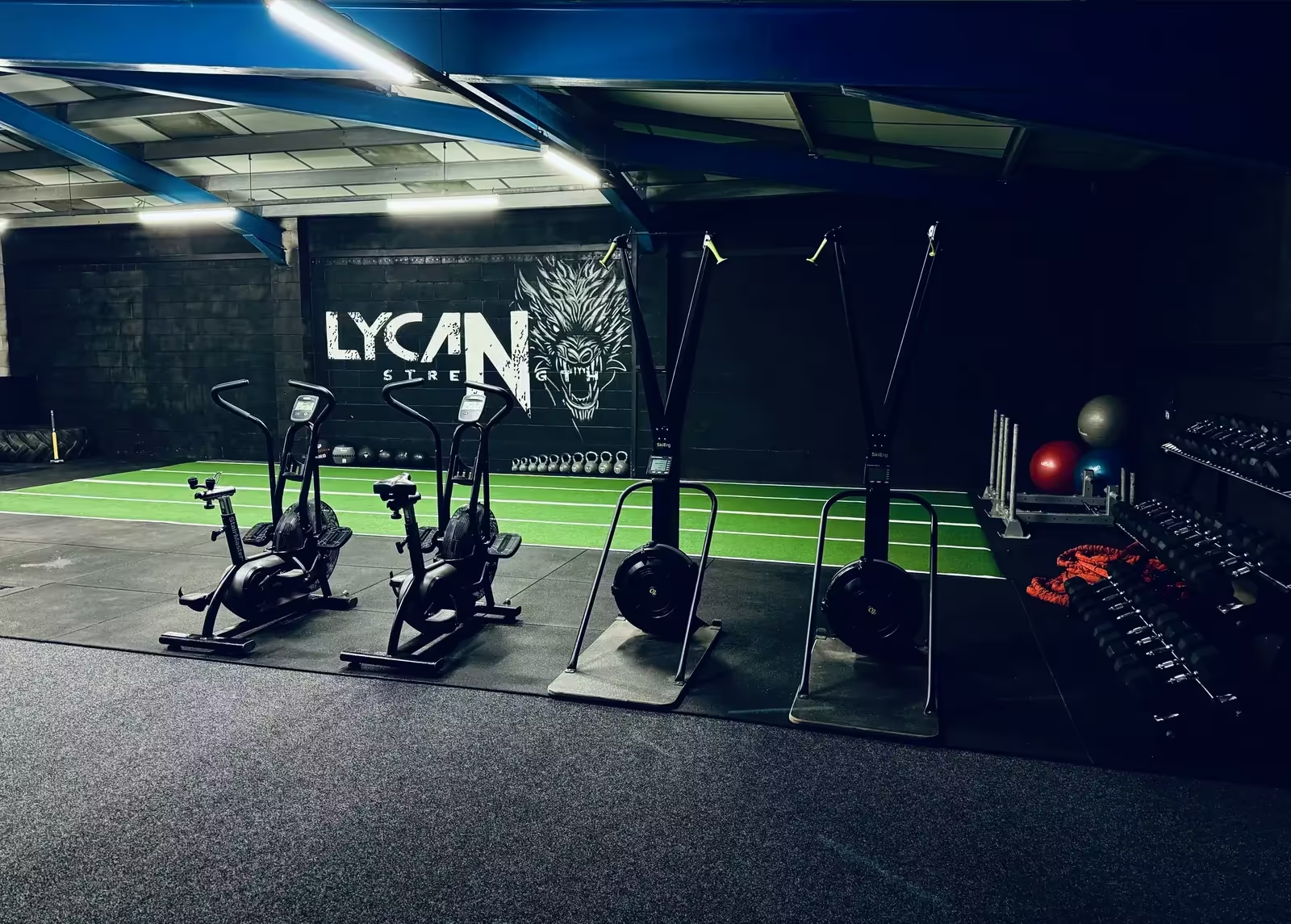
If you decide to add gym sessions, look for space to push a sled for full lengths, the right machines, and coaches who know the race standards. The guide to what a HYROX affiliated gym is explains what that label means and what to look for.
Lycan Strength in Irlam is an official HYROX affiliated gym with a full-length turf sled track, and the 7-day free trial gives you unlimited classes to see how gym sessions fit alongside your home training.
Members' guide
Keep reading with your free week
The full guide is for members and people on a free trial. Claim 7 days free and it opens straight away on this device, along with every other guide.
Already a member? Log in to read it
Unlock the full guide
Seven days of classes, free. We will be in touch to book your first session.
Questions
Can you train for HYROX at home?
You can train a lot of it at home, especially running, lunges, burpee broad jumps and carries. The sleds, ergs and race-load strength are much easier to train in a gym.
What can I use instead of a sled at home?
Hill sprints and heavy rucksack walks up hills train similar leg drive, and heavy rows help the pull. They are useful substitutes but not a replacement for real sled practice.
How often do I need a gym for HYROX training?
Once or twice a week is enough for most people, focused on the sleds, ergs and heavier strength work, with running and other sessions done at home or outdoors.
General guidance for healthy adults. If you have a medical condition, injury or are pregnant, check with a health professional before changing your training or diet.